
Managing food holding times during high-volume service periods is one of the toughest operational tightropes a foodservice leader has to walk. Whether you are directing a healthcare dining operation, a university campus food court, a senior living community, or a fast-casual restaurant, your daily goals remain the exact same: you need to keep service moving with constantly available food, maintain strict quality and safety standards, and stay compliant—all while keeping a hawk-eye on overproduction and food waste to protect your tight margins.
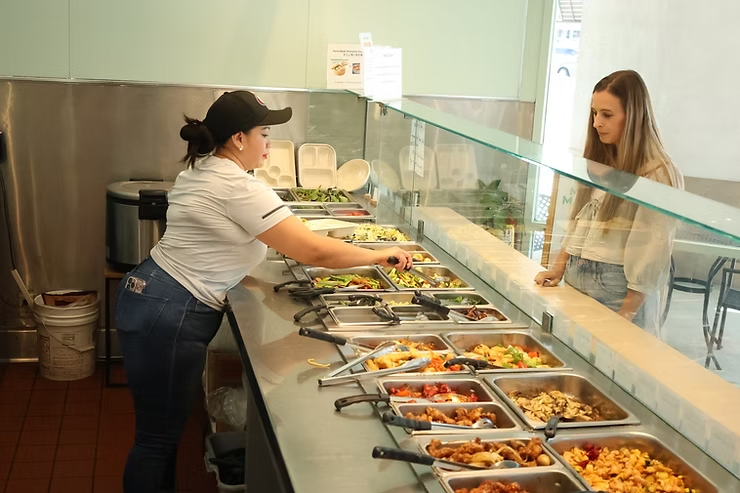
At Eaping Fresh Chinese Restaurant, a high-volume fast-casual concept, the kitchen staff faced these hurdles every shift. While their Point of Sale (POS) data showed what was selling, it couldn’t show what was happening on the hot-holding line in real time. Without clear visibility into exact holding times and food conditions, staff had to rely on guesswork and manual log checks to decide when to replenish, rotate, or pull a dish.
The Operational Challenges of High-Volume Foodservice
During the lunch and dinner rushes, the Eaping team prioritized speed: keeping serving pans full and lines moving. But during slower transition periods, overproduction quickly led to quality degradation—resulting in dry or soggy dishes, and food sitting far past its optimal holding window.
Kitchen managers found themselves repeatedly asking:
- Do we fire another batch right now, or wait?
- How long has this specific pan been sitting on the line?
- Should we discard this item or top it off?
Because these decisions were made dozens of times a day based on gut feel rather than data, the operation suffered from inconsistent food quality, extended holding times, and costly food waste. For a Dining Director, these aren’t just kitchen issues—they directly hit your labor efficiency, regulatory compliance, brand reputation, and bottom-line profitability.

Leave a Reply